
Polynucleotides Are Replacing Botox – Here’s Why Everyone’s Talking About Them
Introduction
Move over Botox—there’s a new player in town, and it’s sparking curiosity from beauty insiders to dermatologists alike. Polynucleotides, derived from purified salmon DNA fragments, are quickly becoming the go-to natural Botox alternative for those seeking skin rejuvenation without freezing muscles. These anti-aging injectables work not by paralyzing muscles, but by stimulating the skin’s own regenerative power through collagen and elastin production.
In this post, we’ll explore what polynucleotide skin treatments are, how they function as a collagen stimulator, their treatment process, safety considerations, and why they’re gaining fame—from celebrity endorsements to rapid worldwide adoption.
What Are Polynucleotide Skin Treatments?
Polynucleotides are long chains of nucleotides—the very building blocks of DNA—most commonly extracted from salmon or trout. When purified and injected, these fragments act as biostimulators, promoting deep cellular repair while avoiding the volume buildup typical of hyaluronic acid fillers. They’re designed to enhance skin structure by activating fibroblasts, improving hydration, and combatting oxidative stress.
How Do They Work? The Collagen-Stimulating Mechanism
Polynucleotides act on the skin by:
- Stimulating fibroblasts to produce collagen and elastin, improving firmness and elasticity
- Enhancing moisture retention and skin barrier function
- Reducing inflammation and oxidative damage through antioxidant activity
In essence, these anti-aging injectables don’t just camouflage skin aging—they help the skin rebuild itself from within, making them effective for rejuvenation in delicate areas like under-eye skin, neck, and hands.
Why It’s Buzz-Worthy: The Natural Botox Alternative?
Gentle and Regenerative, Not Freezing
- Unlike Botox, which relaxes facial muscles to smooth dynamic wrinkles, polynucleotides enhance skin health without impairing facial expressions. They deliver a natural, supple glow that improves over time.
Real-World Buzz & Timeless Applications
It’s not just content creators hyping this trend—According to Financial Times, the “salmon-sperm facial” boosts collagen and elastin, particularly effective around the eyes, with results lasting six to nine months
Celebs like Jennifer Aniston and Kim Kardashian have also endorsed this treatment for its subtle skin-tightening and fine-line-reducing benefits—without radical changes
Avoids Volume Concerns
- Polynucleotides provide hydration and texture improvement without the risk of unwanted swelling or puffiness—particularly valuable under the eyes. Dermatologists consider them a refined alternative to both fillers and Botox.
Treatment Insights: What to Expect
Procedure & Protocol
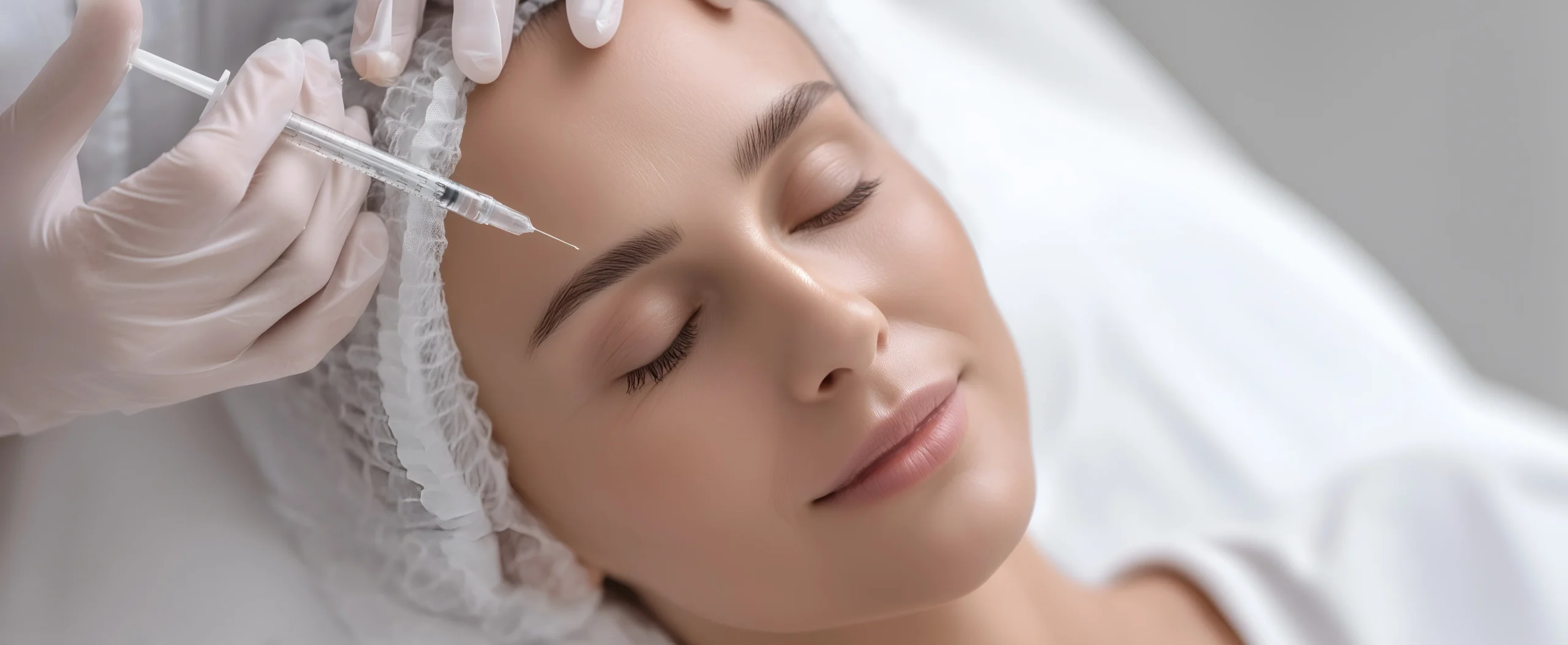
Treatments typically involve 2–3 sessions spaced 2–4 weeks apart. Most methods use fine needles or cannulas to introduce polynucleotides into the dermal layer. Clients often resume daily life with minimal downtime.
Results Timeline
Benefits gradually unfold over several weeks, peaking at around 16 weeks with visibly improved skin texture and tone. Effects can last 6–12 months, with maintenance sessions recommended
Side Effects & Safety
Most patients experience mild redness, bruising, or swelling—lasting just a few days. Generally well tolerated, but individuals who are vegan, allergic to fish, or have immune sensitivities may need to avoid it.
FDA Status
Importantly, injectable polynucleotide treatments are not yet FDA-approved in the U.S. Experts caution consumers to carefully verify clinic credentials and product purity. Topical versions (e.g., PDRN masks) are permitted.
Real Experiences: What Users Say
From Reddit users:
“Personally, I’m loving the results… fine lines especially around the eyes have reduced… face looks dewy, glowy, and plumper.”Reddit
“The effects kicked in around 3 weeks after the first round… subtle lift, makeup sits better.”Reddit
On the other hand, some note side effects:
“Small eye bags or swelling under my eyes… product still didn’t absorb.”Reddit
Mixed feedback illustrates the importance of clinic selection, technique, and managing expectations.
Summary Table
| Feature | Polynucleotides (PN) |
| Mechanism | Stimulates collagen, hydration, repair |
| Areas Treated | Under-eyes, neck, hands, fine lines |
| Onset & Duration | Weeks to meses; results last 6–12+ months |
| Downtime & Side Effects | Minimal; mild redness/swelling possible |
| FDA Status | Not yet approved for injectables in U.S. |
| Benefits vs. Botox/Fillers | Natural-looking, no muscle paralysis |
Final Thoughts
Polynucleotide treatments truly are redefining natural Botox alternatives—prioritizing skin health over mechanical wrinkle smoothing. Their ability to stimulate collagen, hydrate deeply, and regenerate skin cells makes them a smart choice for anyone seeking a radiant, youthful complexion—especially for fragile areas where fillers and Botox feel too harsh.
If you’re intrigued by a glow-from-within look rather than a frozen finish, polynucleotides may just be the sophisticated anti-aging solution you’ve been waiting for.